Does Meta Lab Have a Chance at Retail Longevity as it Opens More Stores?
egunes_/Depositphotos.com
Meta Lab announced plans to nearly double its store count – slated to open six more standalone stores, joining eight existing locations – to 14 total retail stores by the end of 2026. According to Modern Retail’s Julia Waldow, the new stores will be opening in Atlanta, Chicago, Houston, New York City, San Diego, and Scottsdale, Arizona.
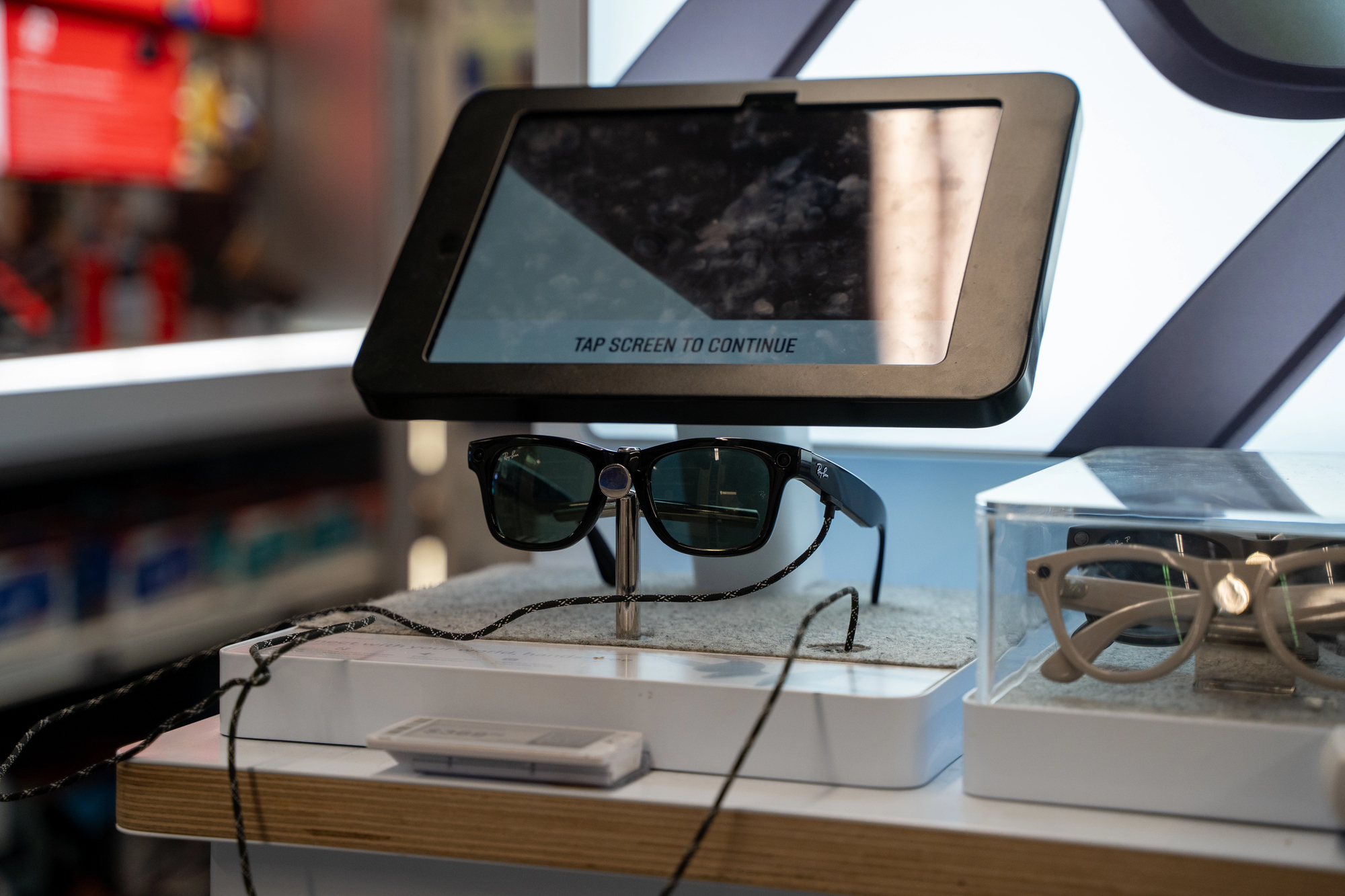
“The move comes on the heels of Meta’s other investments in physical retail as it continues its push into wearables. In June, Meta Lab began offering demos and fittings of AI glasses at Best Buy. It’s now on track to operate 50 such shop-in-shops by the end of 2026,” Waldow noted.
“Meta first launched smart glasses with EssilorLuxottica (the owner of Ray-Ban) in 2021, before rolling out a second generation in 2023. In 2025, Meta debuted Ray-Ban Display glasses — which start at $799 and include a built-in display — as well as Meta Vanguard glasses with Oakley, which are geared toward athletes. In June, the company announced Meta Glasses that have adjustable nose pads and start at $299. Meta also rolled out $399 glasses in collaboration with Jenner, who voices the AI assistant,” she added.
Meta smart glasses offer several functionalities but essentially are primarily used to capture stills and video through a camera or cameras embedded in the frame. Further functions include the ability to talk to an AI assistant via Bluetooth connection and built-in speakers. Translating menus, books, and signage in real-time is also an option.
Other notables pulled from the report:
Smart glasses as a category show substantial growth: According to Circana data, the smart glasses category grew 233% YoY for the period ending this May.
Smart glasses are seeing incremental gains since debuting: The Meta Lab concept first appeared as a pop-up during a Sept. 2024 conference, where 90% of attendees visited the store and more than 25% purchased.
Meta and EssilorLuxottica dominate the space: Together, these two entities control an estimated 80% of the existing smart glasses market.
According to Waldow’s description of Meta Lab’s Fifth Avenue store, operations are highly experiential and feature a lot of hands-on shopping. Frames are readily at-hand for customers to try on, being offered in transition lens options, and guided demos from store associates are often taking place in the upstairs space. Laser engraving is also available for curious consumers, with NYC staples such as the omnipresent hot dog cart being popular options.
Additional questions for discussion:
Do you believe Meta Lab can transition from experiment to a more established retail footprint as the company's product suite gains wider traction? Why or why not?
What tech or privacy concerns do you see persisting to hamper the product's adoption, and will these be overcome or dismissed over time, in your opinion?
What's working for Meta Lab, and what needs improvement as it grows store count?