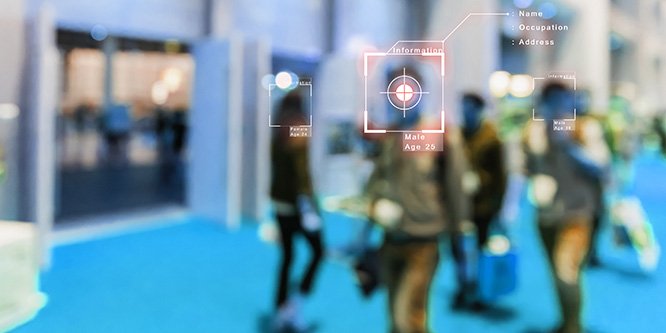
More than 35 civil rights groups have joined forces on a campaign to end the use of facial recognition by retailers amid heightened concerns over privacy and racial justice, calling out retailers that are purportedly using the technology.
Fight for the Future, an advocacy group, created a scorecard detailing the use or non-use of facial recognition across 29 major chains:
Will not use: Eight retailers — Walmart, Kroger, Home Depot, Target, Costco, CVS, Dollar Tree and Verizon — made commitments to Fight for the Future to refrain from the use of facial recognition.
May use: 15 retailers — including Best Buy, Kohl’s, Starbucks, Walgreens and Kohl’s — were rated as potential users because they either failed to respond to requests or implied in public documents they could use facial recognition in the future.
Are using: Six — Ace Hardware, Albertsons, Apple, H.E.B. Macy’s and Lowe’s — were listed as using facial recognition in their stores. The determination of usage was based on arrests and lawsuits tied to the technology. After the report came out, Apple and Lowe’s both stated that they do not use facial recognition in stores.
Facial recognition concerns have heightened with the civil rights protests that followed George Floyd’s murder in police custody last year. There have been calls for significant legislation to ban or severely restrict the use of the technology.
Despite these concerns, Vermont and Virginia remain the only states passing outright bans applicable to law enforcement. Many legislators have fretted over losing the technology’s potential benefits to public safety, according to the Security Industry Association (SIA), which is advocating nationwide policies ensuring “responsible use and sensible privacy protections.”
Portland, OR, and Baltimore are the only cities to ban facial recognition’s use by commercial enterprises like stores, hotels and restaurants.
The technology is becoming more common for entry to stadiums, amusement parks and cruise ships. At retail, facial recognition supports mobile pay and self-checkout and still holds the potential to bring enhanced personalization to stores.
"Using a mindful AI approach, a powerful tool like facial recognition can yield tremendous benefits for the consumer — as well as the retailer,” Ahmer Inam, chief AI officer at Pactera EDGE, told ZDnet. “But values such as privacy, transparency, and ethical-use have to be top-of-mind during the build.”
- Civil Rights Groups Call on Stores to Reject Facial Recognition – Fight For the Future
- Ban Facial Recognition In Sores – Fight For the Future
- Retail stores are packed with unchecked facial recognition, civil rights organizations say – The Verge
- Activists Urge Retailers to Halt Facial Recognition Use – Bloomberg
- From Macy’s to Ace Hardware, facial recognition is already everywhere – Recode/Vox
- Most state legislatures have rejected bans and severe restrictions on facial recognition –- Security Infowatch.com
- Backlash to retail use of facial recognition grows after Michigan teen unfairly kicked out of skating rink – ZDnet